Create a Regulation Map Before Your First Guided Hunt
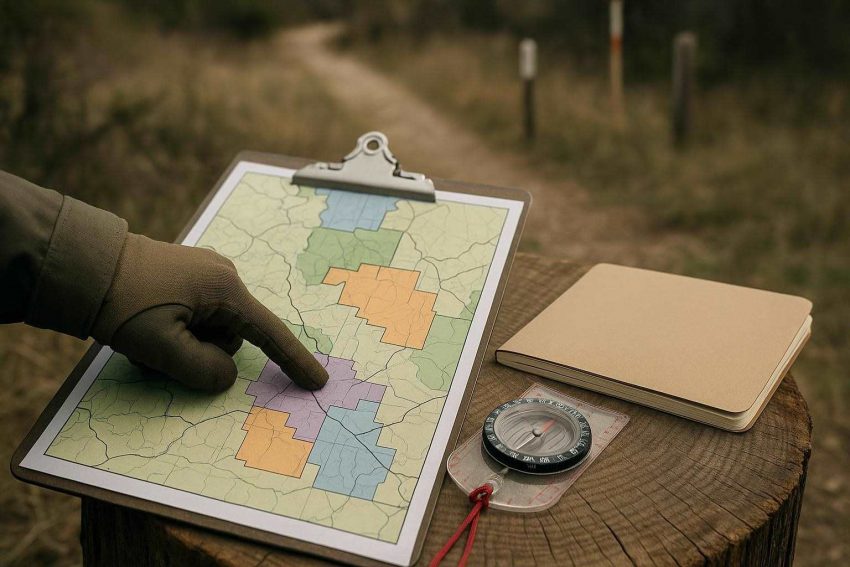
Guiding a hunt is more than packing gear. It takes knowing the land and understanding the rules that're in place. A common mistake among guides is not connecting the layout of the land with the rules that can change over time. Having a map is helpful for navigation.. A map alone does not tell you where you can go, when you can hunt or if a client's idea of hunting in that area is allowed. Making a regulation map before you go into the field is important. It helps avoid mistakes and helps clients understand why certain limits are set.
Start with a Thorough Understanding of Boundaries
Begin your preparation by finding out where the hunt will take place. Do not rely on a name or reputation of a ranch a wildlife area or a hunting lease. It is important to check the boundaries how to get in and who owns the land next to it. Also look for parts of the land that might not be open or that have rules.
Use. Reliable sources to check the area. Compare this with the map you plan to use when you're out in the field. Online maps can be helpful for planning. They might not be. Easy to use without internet. Having a map that works without internet is important. Marking areas that're unclear allows you to check again when you are not sure instead of taking your group into a risky place. For example if a fence line is not clear it is better to call and check than to guess the way.
Also think about conservation. By keeping your clients from places that're important for animals to live or nest you can help protect them even if those areas are open for hunting. A good guide knows that not every place that is allowed to be hunted is the place to hunt.
Transform Regulations into Quick Decisions
Dealing with rules can be hard. Making them into questions helps. Before booking a trip or planning your route learn the rules for the animals you are hunting. Know when you can hunt. Know what papers you need. Know what methods are allowed. Know what you must do when you get an animal. Remember that rules can change a lot depending on where you're what animal you are hunting.
Do not use notes from year. Always check for changes. Officials often change the lines, dates, papers and rules. Sometimes different areas have rules. It is good to have a list of rules with a date on it so you know it is up to date.
The balance between planning and being ready to change is important. The more you plan the fewer choices you need to make while you are out. When rules are not clear it is best to be careful or wait until you know for sure. Being careful now is much better than getting into trouble.
Identify Ethical Dilemmas
It is important to tell the difference between what's allowed and what's right during a hunt. Your regulation map should show problems where clients might ask for things that're not against the law but do not match fair play protecting the land or what the landowner wants.
Common situations could be moving animals toward a road putting people near a water source when it is dry or continuing to hunt when you can't see well. These situations can change depending on the animal and the place. Having a rule that you can explain to hunters or wildlife workers is important.
Setting these lines before clients arrive helps everyone understand what is not allowed. It helps everyone understand when you will not disturb animals and how you will handle situations. This is not about telling people what to do. It is about making sure there are no surprises when emotions are high.
Also being ethical helps protect the animals. By not putting pressure on certain paths and respecting signs that say where you can or cannot go guides help keep animals healthy. This kind of thinking can make a difference over time.
Prepare Information for the Field
A regulation map needs to work in the world, where things like bad weather or no phone signal can happen. Keep one copy in a bag or notebook. Maybe have a phone version in case. It is better not to rely on one app or phone. Having than one place to check makes sure you are ready.
Before you go check everything one time with a list. Make sure you have:
– The area, the place and the right permission to go there
– The current rules: what papers you need and what methods are allowed
– Limits on the animals you are hunting and what you need to do when you get one
– Areas and places where you need to be careful with the land
– Phone numbers for emergencies and places to get help
– A talk with your clients about the rules and what is right
When you write down the rules connect them to the choices they affect. Don't just list the ways you can't hunt. Link them to the plans you have. This makes it easier to use and understand.
Be careful not to think that a picture of the rules means they are up to date. Always check with the people who made the rules before you go especially if things have changed because of a problem or a change in the environment. Always follow the rules, not notes or advice, from others.
Foster Trust Through Preparation
Guiding depends on trust. Trust is made by making choices not just by knowing about animals. When clients see that you checked the paths explained the rules and avoided places that could cause problems they see your choices as smart and fair. They see them as not rules for no reason.
If something unexpected happens, like not knowing the lines or not having the papers having trust already helps you handle the problem with confidence. Explaining options based on your preparation shows that you care about your clients' experience. Not everything can be planned. Being ready helps you make choices before you go. This way you can make sure the hunt is allowed, fair and helps protect the land.